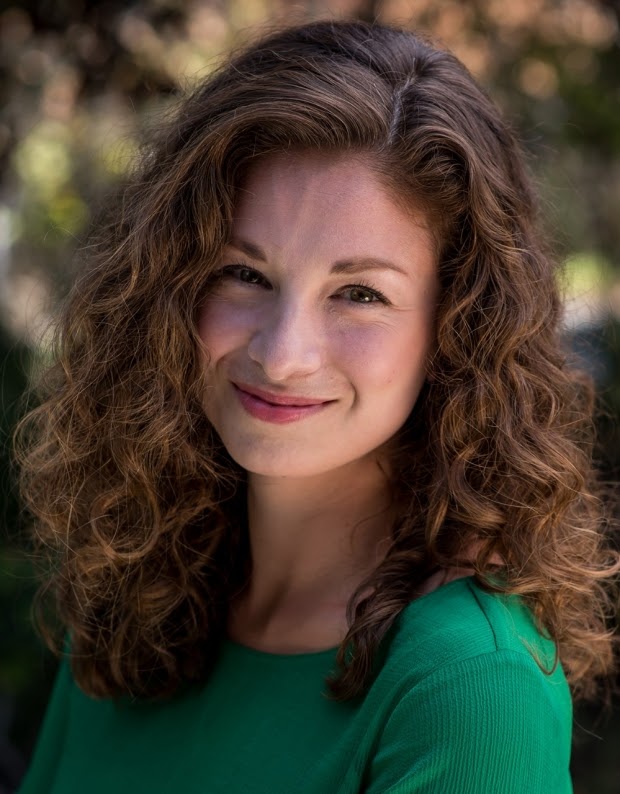
 Presented by:
Francesca Rinaldo, MD, PhD
Title: “Case Studies in Digital, Real-world Data Collection and AI Model Building”
Bio:
Francesca Rinaldo, MD, PhD is a physician- scientist with a background in basic/translational research, clinical research and healthcare delivery innovation. She is an affiliated scholar at the Stanford Clinical Excellence Research Center (CERC), a Design, Innovation and Clinical Entrepreneurship (DICE) Fellow, and Director of Clinical Success at doc.ai, where she works with multidisciplinary teams to design and execute digital clinical studies and build novel and clinically relevant machine learning models. From 2015-2020 she was a resident in General Surgery at Stanford, and completed the CERC Healthcare Design Fellowship in 2017-2018. As a CERC fellow, Francesca was a Clinical Lead for the Stanford CERC Partnership for AI-assisted Care (PAC) and received seed funding from the Stanford Institute for Human-Centered Artificial Intelligence. She is a content matter expert in Aging and Late Life, and her clinical interests are strongly rooted in health services and technology aimed at improving the health of the rapidly aging global population. She is passionate about exploring novel applications of digital health technology for improving the quality, cost and accessibility of healthcare for all individuals.
For dial-in instructions, please contact Ana Mezynski at mezynski@stanford.edu.
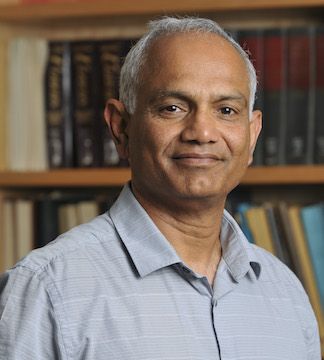
Balasubramanian Narasimhan, Dept. of Statistics
Presented by:
Dr. Dr. Balasubramanian Narasimhan
Director and Senior Research Scientist-Physical, Biomedical Data Science
Stanford University
Yulin Chien
Software Developer
Stanford University Research Informatics Center (RIC)
Eileen Kiamanesh
Research Data Analyst
Stanford University Research Informatics Center (RIC)
Title: “Introduction to the Research Informatics Center”
For dial-in instructions, please contact Ana Mezynski at mezynski@stanford.edu

Presented by:
Chuck Huber, PhD
Director of Statistical Outreach, StataCorp
Adjunct Associate Professor of Biostatistics
Texas A&M School of Public Health
This curriculum is designed to support beginner, intermediate, and advanced “Stata” users. The courses do not require registration and can accommodate up to 300 participants. The most recent and advanced version, Stata-16, integrates Python with Stata.
We strongly encourage you to participate!
Bio: Chuck Huber is Director of Statistical Outreach at StataCorp and Adjunct Associate Professor of Biostatistics at the Texas A&M School of Public Health. Most of his current work is focused on statistical methods used by behavioral and health scientists. He has published in the areas of neurology, human and animal genetics, alcohol and drug abuse prevention, nutrition, and birth defects. Dr. Huber currently teaches introductory biostatistics at Texas A&M where he previously taught categorical data analysis, survey data analysis, and statistical genetics.
Please direct questions to Lakshika Tennakoon, Data Scientist, Division of Trauma and Acute Care, Department of Surgery at lakshika@stanford.edu
This curriculum is designed to support beginner, intermediate, and advanced “Stata” users. The courses do not require registration and can accommodate up to 300 participants. The most recent and advanced version, Stata-16, integrates Python with Stata.
We strongly encourage you to participate!
Please direct questions regarding Zoom dial-in instructions to Lakshika Tennakoon, Data Scientist, Division of Trauma and Acute Care, Department of Surgery at lakshika@stanford.edu
This curriculum is designed to support beginner, intermediate, and advanced “Stata” users. The courses do not require registration and can accommodate up to 300 participants. The most recent and advanced version, Stata-16, integrates Python with Stata.
We strongly encourage you to participate!
Please direct questions regarding Zoom dial-in instructions to Lakshika Tennakoon, Data Scientist, Division of Trauma and Acute Care, Department of Surgery at lakshika@stanford.edu
This curriculum is designed to support beginner, intermediate, and advanced “Stata” users. The courses do not require registration and can accommodate up to 300 participants. The most recent and advanced version, Stata-16, integrates Python with Stata.
We strongly encourage you to participate!
Please direct questions regarding Zoom dial-in instructions to Lakshika Tennakoon, Data Scientist, Division of Trauma and Acute Care, Department of Surgery at lakshika@stanford.edu
This curriculum is designed to support beginner, intermediate, and advanced “Stata” users. The courses do not require registration and can accommodate up to 300 participants. The most recent and advanced version, Stata-16, integrates Python with Stata.
We strongly encourage you to participate!
Please direct questions regarding Zoom dial-in instructions to Lakshika Tennakoon, Data Scientist, Division of Trauma and Acute Care, Department of Surgery at lakshika@stanford.edu
This curriculum is designed to support beginner, intermediate, and advanced “Stata” users. The courses do not require registration and can accommodate up to 300 participants. The most recent and advanced version, Stata-16, integrates Python with Stata.
We strongly encourage you to participate!
Please direct questions regarding Zoom dial-in instructions to Lakshika Tennakoon, Data Scientist, Division of Trauma and Acute Care, Department of Surgery at lakshika@stanford.edu
This curriculum is designed to support beginner, intermediate, and advanced “Stata” users. The courses do not require registration and can accommodate up to 300 participants. The most recent and advanced version, Stata-16, integrates Python with Stata.
We strongly encourage you to participate!
Please direct questions regarding Zoom dial-in instructions to Lakshika Tennakoon, Data Scientist, Division of Trauma and Acute Care, Department of Surgery at lakshika@stanford.edu
This curriculum is designed to support beginner, intermediate, and advanced “Stata” users. The courses do not require registration and can accommodate up to 300 participants. The most recent and advanced version, Stata-16, integrates Python with Stata.
We strongly encourage you to participate!
Please direct questions regarding Zoom dial-in instructions to Lakshika Tennakoon, Data Scientist, Division of Trauma and Acute Care, Department of Surgery at lakshika@stanford.edu